PIEDMONT PROMISE

Our Work

Conservation Priorities

Our work focuses on four conservation priorities: land use and sustainable planning, regulatory reform, sustainable economies and jobs, and monitoring. Each area supports lasting solutions that protect North Carolina’s Piedmont for generations to come.

We support policies that preserve community character and enhance community growth.

  • Strategic land conservation, including farmland preservation and resiliency planning
  • Expanded outdoor experiences for residents and visitors
  • Efficient use of taxpayer funds for regional transportation, like Amtrak services and trails
  • Planning for natural disasters

We support policies that cut red tape to make environmentally friendly decisions easier for communities and businesses.

  • Strategies to help existing industries transition to more sustainable practices
  • Reforms in development regulations to encourage environmentally conscious decisions
  • Efforts to hold state agencies accountable for inadequate protection of natural resources

We support policies that promote industries that are sustainable for the environment and the local communities where they operate.

  • Funding to help farmers reduce the risk of implementing best management practices
  • Cost-effective infrastructure projects that support sustainable and adaptable communities
  • Efforts to ensure new industries enhance community and environmental well-being
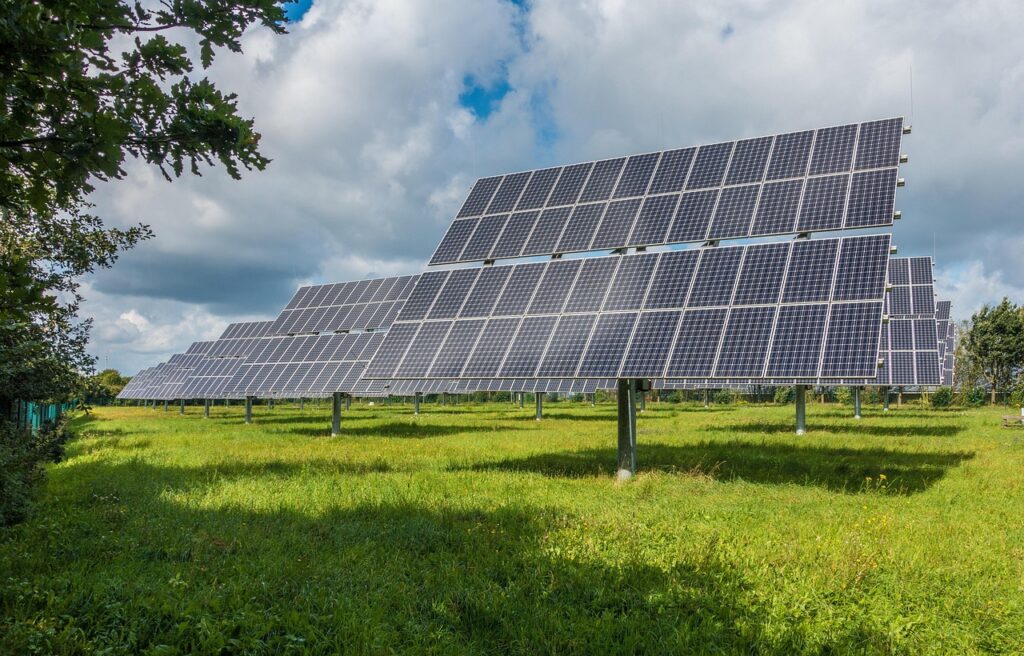
photovoltaic system, solar, solar energy, solar panel, photovoltaic, renewable, energy revolution, power generation, solar field, solar cells, voltage, current, sun, electricity, energy, solar power, environment, renewable energy, nature, technology, power supply, clouds, sky, atmospheric, turn, earth day

We support policies that promote industries that are sustainable for the environment and the local communities in which they do business.

  • Funding to help farmers reduce the risk of implementing best management practices
  • Cost-effective infrastructure projects that support sustainable and adaptable communities
  • Efforts to ensure new industries enhance community and environmental well-being

2025-2026 Legislative Priorities

In the North Carolina General Assembly’s 2025-2026 session, we’re working with partners and other community organizations to advocate for a number of bills and legislative concepts. Take a look!

Issue: In 2023, North Carolina state agencies, local governments, and nonprofits spent $56.3 million cleaning up 14.6 million pounds of litter, most of which was made of plastic. Plastic pollution takes hundreds of years to breakdown, posing serious health risks to people and the environment.

Overview: House Bill 8 takes initial steps to reduce plastic waste in government facilities by limiting single-use plastics, tracking and reporting purchases of recyclable materials, and studying the impacts of plastics to guide future policy solutions. 


Priority Areas: Regulatory Reform

Where’s the Bill?: Passed House (107-0), Referred to Senate Rules Committee

Issue: North Carolina is one of the fastest-growing states in the country. However, many of the regulations that guide this growth haven’t kept pace with the needs of NC communities.

Overview: House Bill 369 removes outdated off-street parking minimums (ex- 1 parking space per 500ft of retail space) and empowers local governments with MS4 permits to manage runoff, the leading cause of water pollution in NC, during the redevelopment process. This bill aims to lower flood risk, improve water quality, revitalize communities, limit urban sprawl, and reduce housing costs. Parking will still be built, just not overbuilt!

Priority Areas: Land Use and Planning, Regulatory Reform, Sustainable Economies and Jobs

Where’s the Bill?: Passed House (107-0), Referred to Senate Rules Committee

Issue: PFAS (per- and polyfluoroalkyl substances) are a group of over 12,000 chemicals used to make products like clothing, cookware, food packaging resistant to stains, grease, and water. They are also used in industrial products such as firefighting foam. Because these “forever chemicals” do not easily break down in the environment, exposure is widespread and linked to serious health concerns. 

Overview: House Bills 569 and 570 address PFAS pollution in NC by requiring manufacturers that discharge PFAS to cover the costs public water systems incur to treat contaminated water and prohibits the use of firefighting foam containing intentionally added PFAS for training, practice, or testing purposes.

Priority Areas: Land Use and Planning, Regulatory Reform, Sustainable Economies and Jobs

Where’s the Bill?: 

  • H569: Passed House (104-0), Referred to Senate Rules Committee
  • H570: Passed House (113-0), Referred to Senate Rules Committee